
The Impact of Tucson's Climate on Residential Plumbing Systems


Understanding Tucson's Climate
Tucson, Arizona, is known for its unique desert climate, characterized by **hot summers** and mild winters. This environment presents both opportunities and challenges for residents, especially when it comes to maintaining their homes. One area that often requires special attention is the plumbing system. With temperatures frequently exceeding 100 degrees Fahrenheit in the summer and dropping significantly during winter nights, Tucson's climate can have a profound impact on residential plumbing.

Effects of High Temperatures on Plumbing
The intense heat in Tucson can lead to several issues within residential plumbing systems. **Pipes and fixtures** are often exposed to extreme temperatures, which can cause them to expand. Over time, this expansion can lead to joint failures or even bursts, especially in older systems. Homeowners may notice increased instances of leaks or reduced efficiency in their plumbing.
Additionally, high temperatures can affect water pressure. As the temperature rises, the demand for water typically increases, potentially leading to lower pressure in homes. This can be particularly noticeable during peak summer months when everyone is trying to keep cool.

The Role of Low Humidity
Another aspect of Tucson's climate that impacts plumbing is the low humidity. The dry air can lead to moisture loss in some plumbing components, such as seals and washers. This can cause them to dry out and crack, leading to leaks or other issues. Regular checks and maintenance are crucial to prevent these problems from escalating.
Preventative Measures for Homeowners
To combat the effects of Tucson's climate on plumbing systems, homeowners can take several preventative measures:
- Insulating pipes to protect against temperature fluctuations.
- Scheduling regular inspections to identify potential issues early.
- Using high-quality materials that are designed to withstand extreme conditions.

Winter Challenges: Cold Snaps
While Tucson is predominantly warm, the city does experience occasional cold snaps. These sudden drops in temperature can be just as damaging to plumbing as the intense heat. Cold weather can cause pipes to contract, increasing the risk of cracking or bursting.
To prevent damage during colder months, homeowners should consider **insulating exposed pipes** and allowing faucets to drip slightly during freezing nights to prevent pressure buildup.
Water Quality Considerations
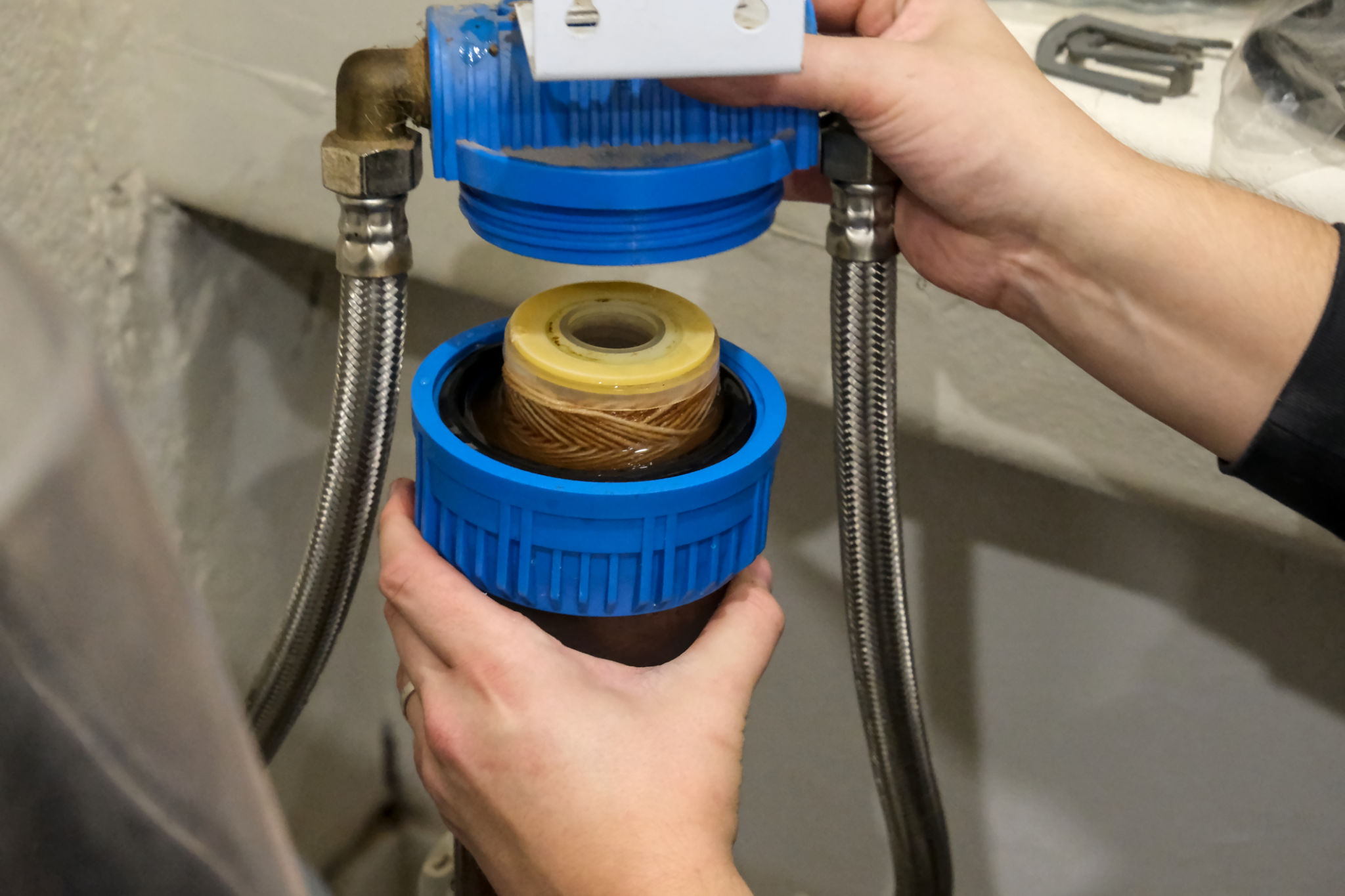
Tucson's water supply also plays a role in the health of residential plumbing systems. The water in this region is often hard, containing high levels of minerals like calcium and magnesium. Over time, these minerals can build up within pipes and fixtures, reducing efficiency and leading to clogs or corrosion.
Installing a water softener can help mitigate these issues by reducing mineral deposits and prolonging the life of plumbing systems.
Professional Maintenance and Repairs
Given the unique challenges posed by Tucson's climate, professional maintenance and repairs are essential. Hiring experienced plumbers who understand the local environment can make a significant difference in preventing major issues before they arise. Regular maintenance not only ensures efficient operation but also extends the lifespan of a home's plumbing system.
By being proactive and informed about the effects of Tucson's climate on plumbing systems, homeowners can enjoy peace of mind knowing their homes are well-protected against the elements.