
Pipe Leak Prevention: A Step-by-Step DIY Guide


Understanding the Causes of Pipe Leaks
Pipe leaks can cause significant damage if not addressed promptly. Common causes include corrosion, high water pressure, and extreme temperature changes. Understanding these reasons is the first step in preventing leaks and maintaining a healthy plumbing system.
Corrosion is often the result of chemical reactions between water and the metal pipes. Over time, this can weaken the pipe material, leading to leaks. Additionally, high water pressure can strain the pipes, causing them to crack or burst. Monitoring water pressure and using a pressure regulator can help mitigate this risk.

Inspecting Your Plumbing System
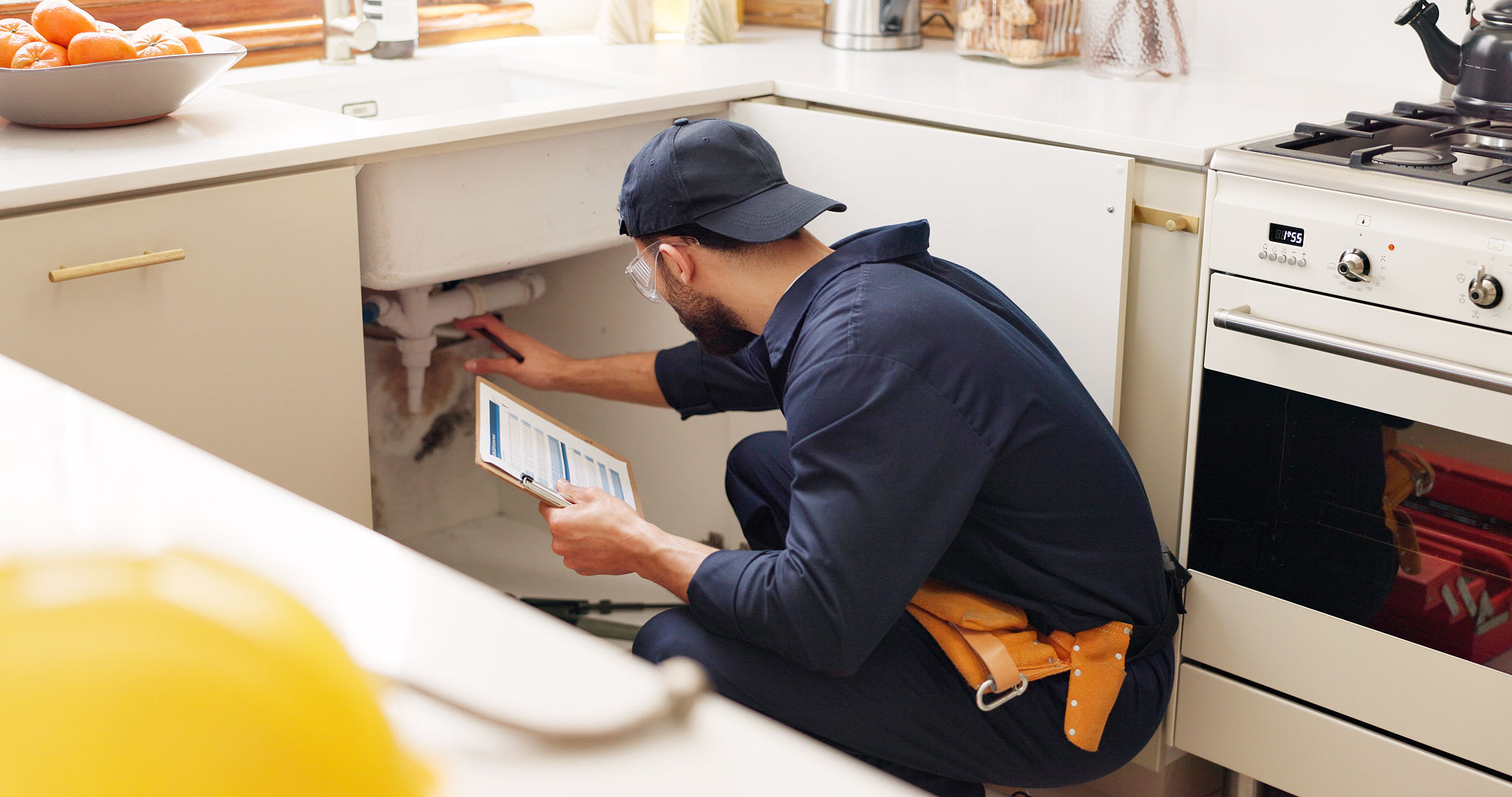
Regular inspection of your plumbing system is crucial. Begin by checking visible pipes for signs of moisture, rust, or discoloration. These are indicators that a leak may be forming. Also, listen for unusual sounds like hissing or dripping, which can signal a hidden leak.
Inspect areas around sinks, toilets, and appliances. Ensure that connections are secure and look for any standing water. Use a flashlight to check under sinks and behind appliances for any hidden issues. Regular inspections can catch small problems before they escalate.
Preventive Measures to Avoid Leaks
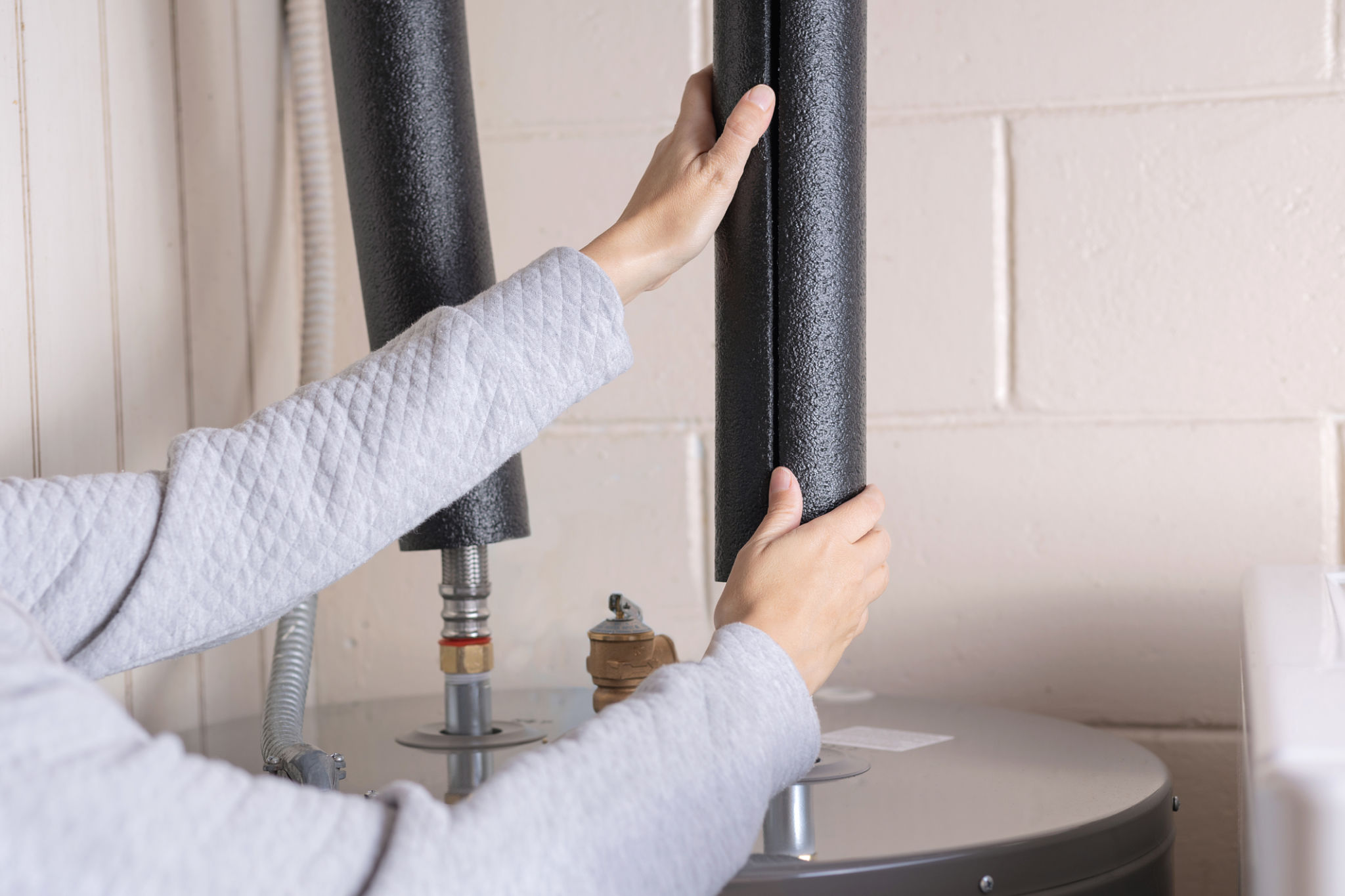
Implementing preventive measures can significantly reduce the risk of pipe leaks. Consider insulating pipes, especially those exposed to cold temperatures, to prevent freezing and subsequent bursting. Pipe sleeves or heat tape can be effective solutions.
Another preventive measure is to install water softeners if you have hard water. The minerals in hard water can build up and cause blockages or corrosion, leading to leaks. Regular maintenance of these systems ensures they function effectively.
DIY Fixes for Small Leaks
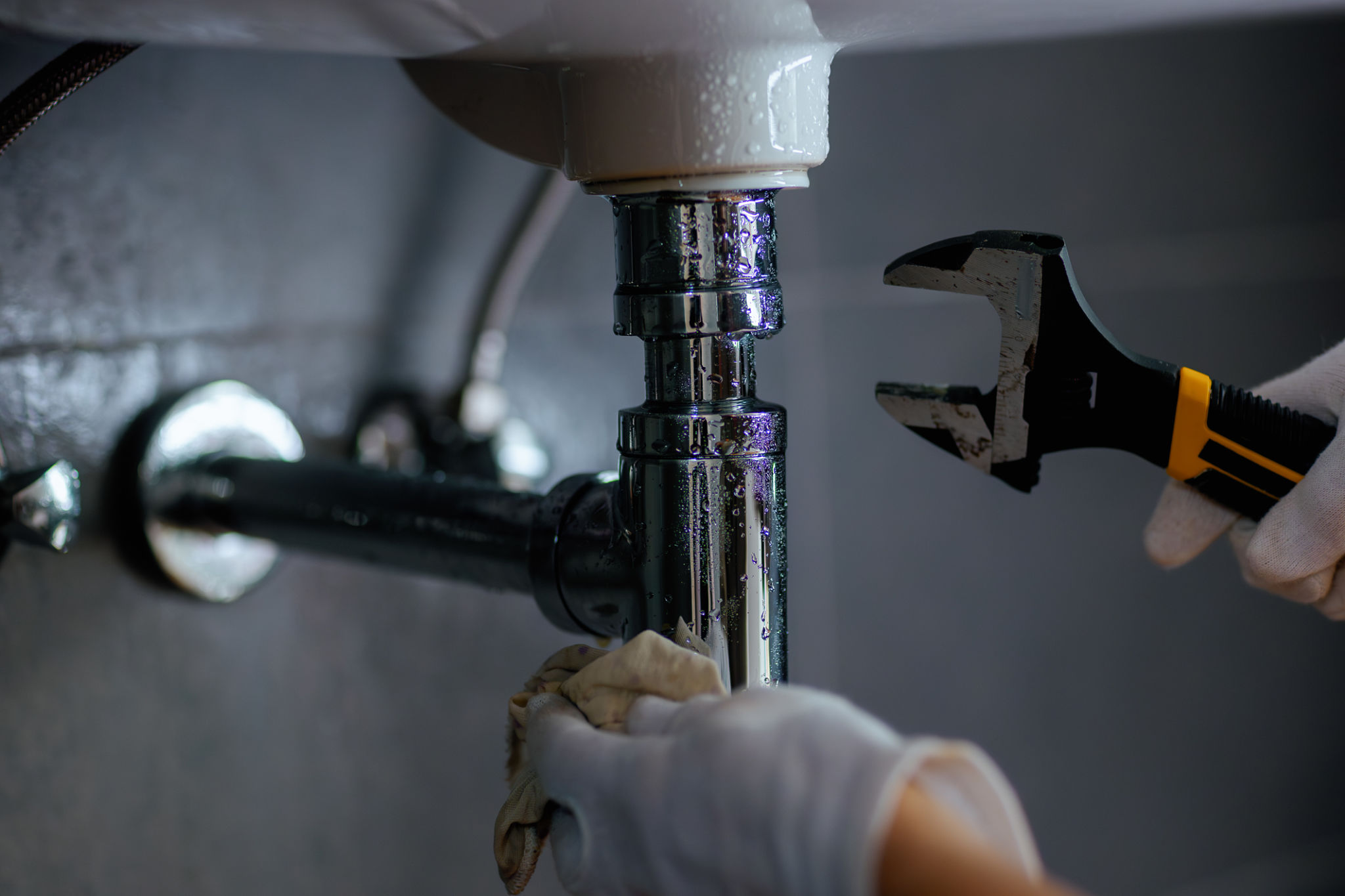
If you discover a small leak, a temporary fix can prevent further damage until professional help is available. For minor leaks, pipe clamps or epoxy putty can be used as a quick solution. These materials are readily available at most hardware stores.
- Turn off the water supply to the affected pipe.
- Dry the area around the leak thoroughly.
- Apply the epoxy putty or attach the pipe clamp according to the product instructions.
- Allow sufficient time for the product to cure before turning the water back on.
Remember, these solutions are temporary, and professional repair or replacement may be necessary for long-term resolution.
When to Call a Professional
While DIY methods can be effective for small leaks, some situations require professional attention. If you notice persistent leaks, extensive corrosion, or water damage, it's time to call a plumber. Professionals have the tools and expertise to handle complex issues and ensure your plumbing system is safe and efficient.
Additionally, if you're uncomfortable performing any of the steps mentioned, seeking professional help is always a wise choice. Preventive maintenance by a licensed plumber can save you time, money, and stress in the long run.
Conclusion
Pipe leak prevention involves understanding potential causes, regularly inspecting your plumbing system, and implementing preventive measures. While DIY fixes can address minor issues, don't hesitate to involve professionals when necessary. By taking these steps, you can protect your home from the costly damages associated with pipe leaks.