
How to Effectively Detect and Fix Leaks in Your Tucson Home


Understanding the Signs of a Leak
Detecting leaks early in your Tucson home is crucial to prevent extensive damage. Common signs of a leak include unexplained increases in your water bill, damp spots on walls or ceilings, and the sound of running water when no fixtures are in use. If you notice any of these indicators, it's essential to act swiftly.
In addition to these signs, mold growth and musty odors can also suggest a hidden leak. These conditions thrive in damp environments, so their presence might hint at a plumbing issue that needs immediate attention.

Checking Common Leak-Prone Areas
Some areas in your home are more prone to leaks than others. The kitchen and bathroom are frequent culprits due to the abundance of plumbing connections. Check under sinks, around toilets, and near any appliances that use water, such as dishwashers and washing machines.
Outdoor areas, like garden hoses and irrigation systems, should also be inspected. Additionally, consider examining your water heater, as they can develop leaks over time, leading to water damage and inefficiencies.
Using Your Water Meter for Leak Detection
Your water meter can be a valuable tool in detecting leaks. To use it effectively, first ensure all water sources in and around your home are turned off. Check the meter reading and wait a couple of hours without using any water. If the reading changes, you likely have a leak.
This method is beneficial for detecting even small leaks that might not be immediately noticeable but can lead to significant water wastage over time.

Advanced Leak Detection Methods
For more advanced detection, consider using dye tablets or food coloring to check for toilet leaks. Place a few drops of food coloring in the toilet tank and wait about 30 minutes without flushing. If the color appears in the bowl, there's a leak.
For a more comprehensive check, investing in a professional plumbing service might be wise. Plumbers have specialized tools, such as acoustic sensors and infrared cameras, to pinpoint leaks with precision.
DIY Leak Fixes
Once you've identified a leak, some fixes can be handled without professional help. For minor pipe leaks, applying pipe tape or using a pipe repair clamp can be effective temporary solutions. Additionally, replacing worn-out washers in faucets can stop dripping issues.

However, for more complicated repairs or if you're unsure of the severity of a leak, it's best to consult with a professional plumber. Attempting major repairs without the proper knowledge can lead to further damage.
Preventive Measures
Regular maintenance is key to preventing leaks. Make it a habit to check visible pipes for corrosion or wear regularly. Insulating pipes can also prevent leaks by reducing condensation and minimizing the risk of freezing during colder months.
Additionally, installing a water softener can help prevent mineral buildup in pipes, which is a common cause of leaks in areas with hard water like Tucson.
When to Call a Professional
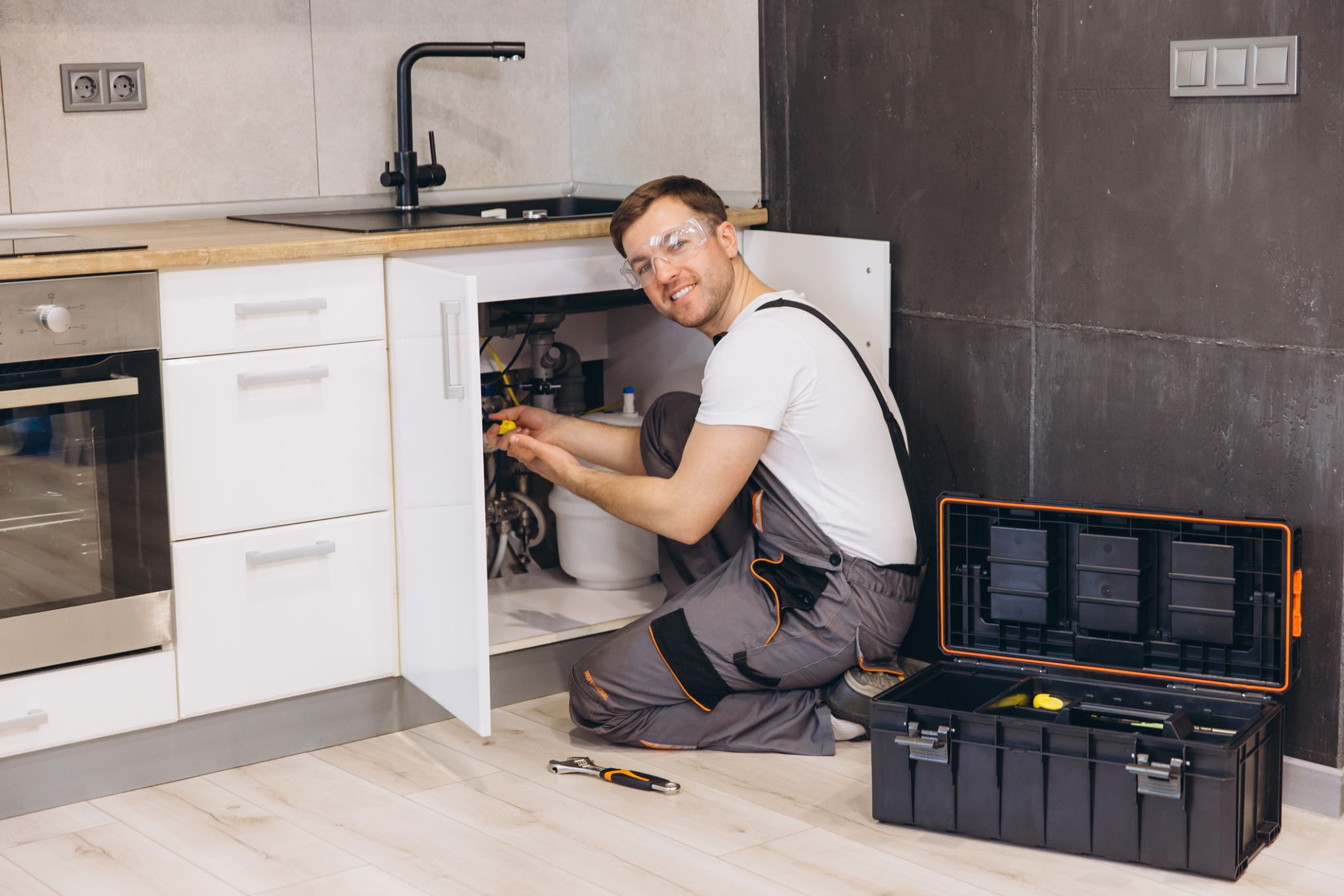
If you're dealing with persistent leaks or suspect structural damage due to water exposure, it's crucial to call a professional plumber. They can assess and address the issue effectively, ensuring no further damage occurs.
Remember, while DIY solutions are helpful for minor issues, professional expertise is invaluable for complex leak problems that require specialized skills and equipment.