
DIY Plumbing Fixes for Common Household Issues: When to Call a Professional


Understanding Common Plumbing Issues
Plumbing problems are a common occurrence in households, and while some can be easily fixed with a few tools and a bit of patience, others might require the expertise of a professional plumber. Learning the basics of plumbing can save you time and money, but knowing when to call in a professional is just as crucial.
Leaky Faucets
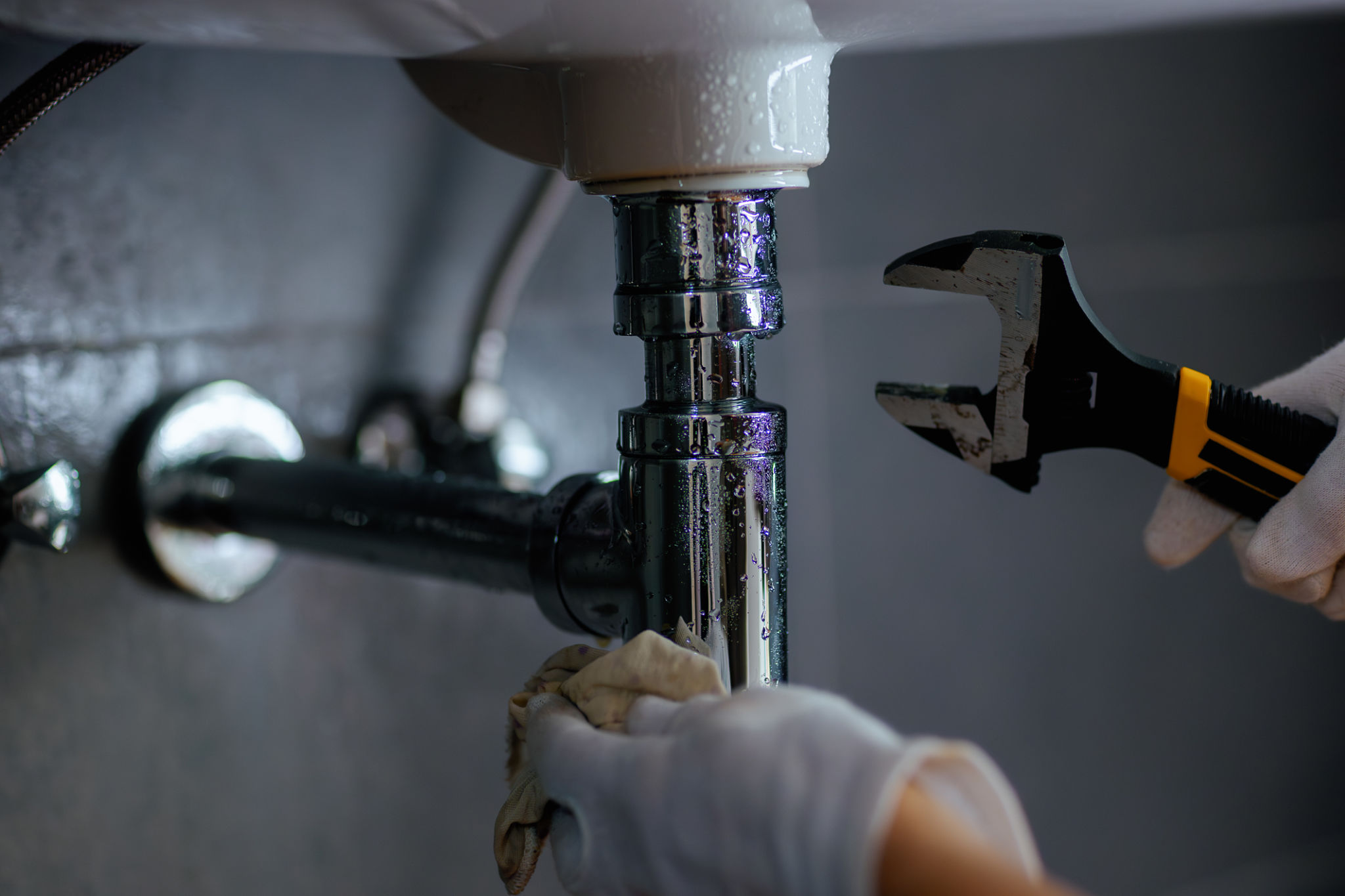
A leaky faucet is not only annoying but can also lead to increased water bills. This issue often arises from a worn-out washer or O-ring and can usually be fixed with a simple replacement. To fix a leaky faucet, turn off the water supply, disassemble the faucet, replace the damaged parts, and reassemble it.
If the leak persists despite these efforts, it might be time to consult a professional. Persistent leaks could indicate more serious plumbing issues that require specialized knowledge to diagnose and repair.
Clogged Drains
Clogged drains are another frequent problem that homeowners encounter. Hair, soap, and other debris can cause blockages over time. A plunger or drain snake usually does the trick for minor clogs. Additionally, using a baking soda and vinegar solution can help break down stubborn clogs naturally.
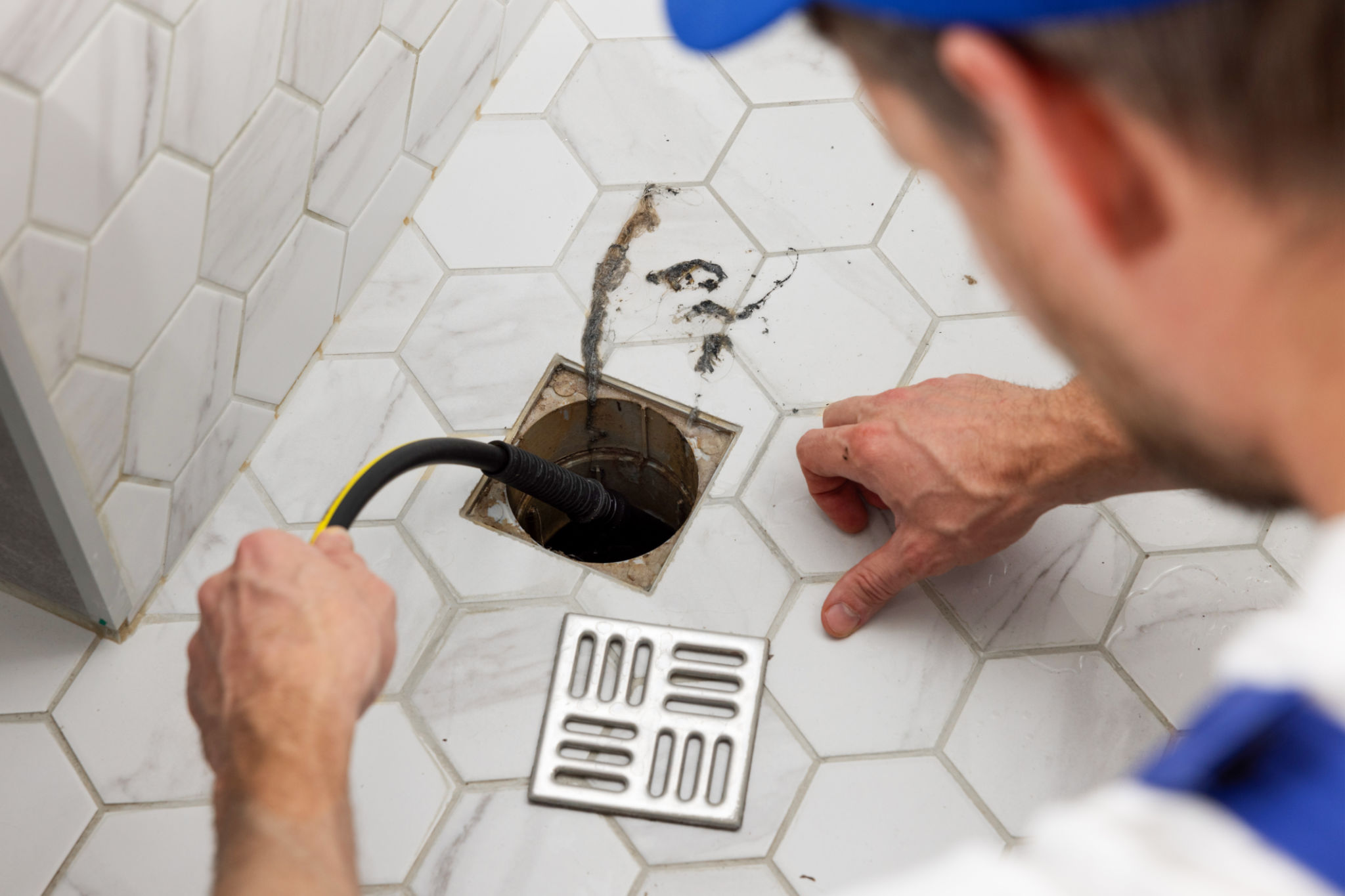
However, if water continues to drain slowly or not at all, it may indicate a more significant blockage or pipe damage. In such cases, calling a plumber is advisable to avoid further complications.
Running Toilets
A running toilet can waste a significant amount of water if left unchecked. The issue often stems from a faulty flapper valve or fill valve. Replacing these components is generally straightforward and can resolve the problem quickly.
In instances where replacing these parts does not fix the issue, it might suggest a problem with the internal plumbing of the toilet. Professional plumbers have the tools and expertise to address these complex issues effectively.
Low Water Pressure
Low water pressure can be caused by various factors, including sediment build-up in pipes or a malfunctioning pressure regulator. Cleaning out aerators and showerheads can sometimes improve water flow.
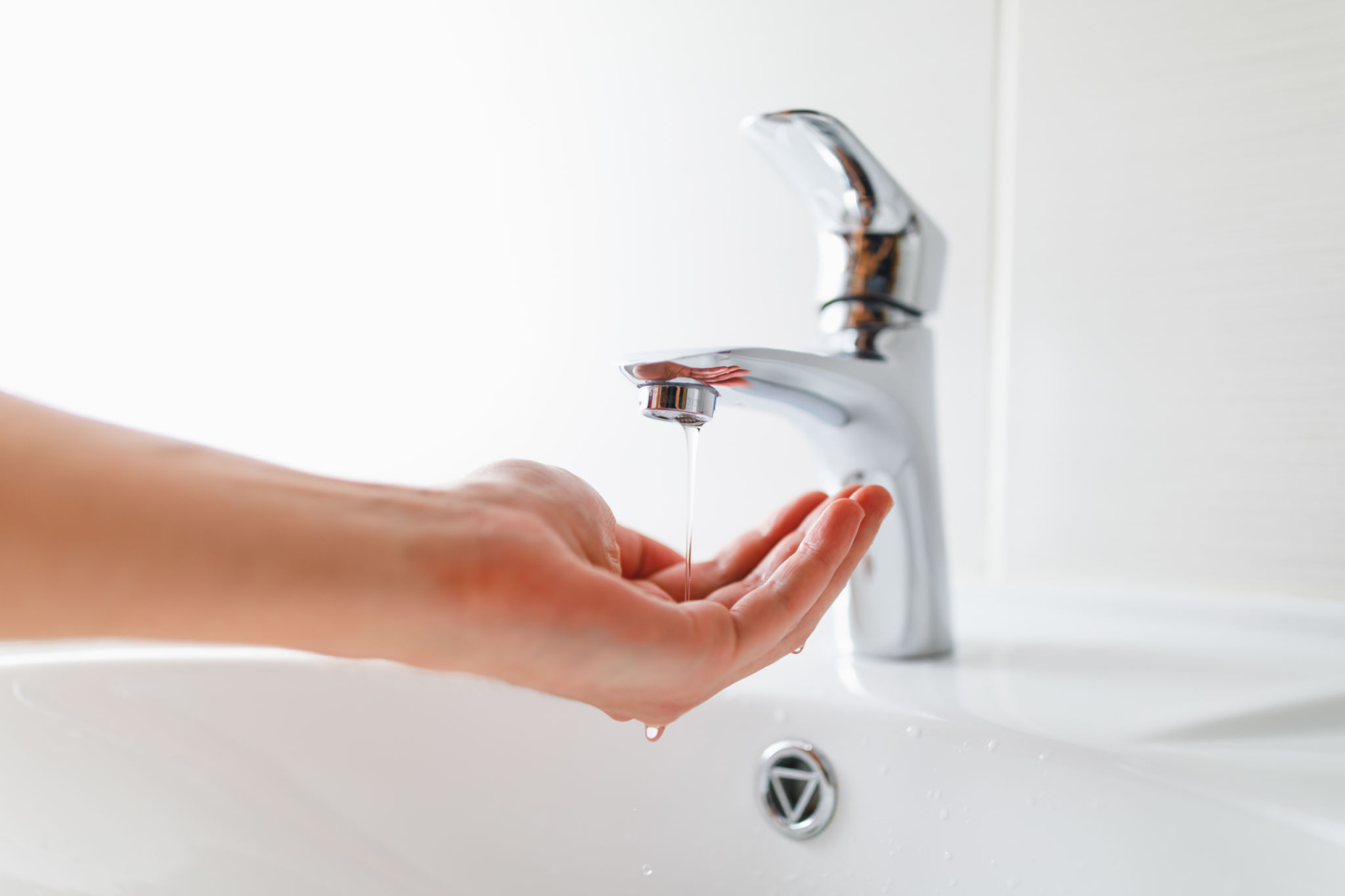
If these DIY solutions do not solve the problem, there could be underlying issues such as pipe leaks or corrosion. Professional assessment is recommended to identify and fix these complex problems.
Knowing When to Call a Professional
While DIY plumbing fixes can be effective for minor issues, it's essential to recognize when a problem is beyond your skill level. Persistent issues, multiple simultaneous problems, or any signs of water damage should prompt you to contact a professional plumber.
Remember, attempting to fix complicated plumbing issues without proper knowledge can lead to further damage and expenses. Investing in professional help can ultimately save you from dealing with costly repairs in the long run.
Conclusion
Being able to tackle minor plumbing issues yourself is an invaluable skill for homeowners. However, understanding your limits and knowing when to rely on professional help ensures that your plumbing system remains in good condition. By addressing issues promptly and effectively, you can maintain a safe and efficient household plumbing system.
