
Common Causes of Plumbing Backups and How to Prevent Them

Understanding Plumbing Backups
Plumbing backups can be a homeowner's nightmare, leading to significant inconvenience and potential damage. Understanding the common causes and how to prevent them is crucial to maintaining a smoothly running plumbing system. By addressing these issues proactively, you can save time, money, and stress in the long run.
Main Causes of Plumbing Backups
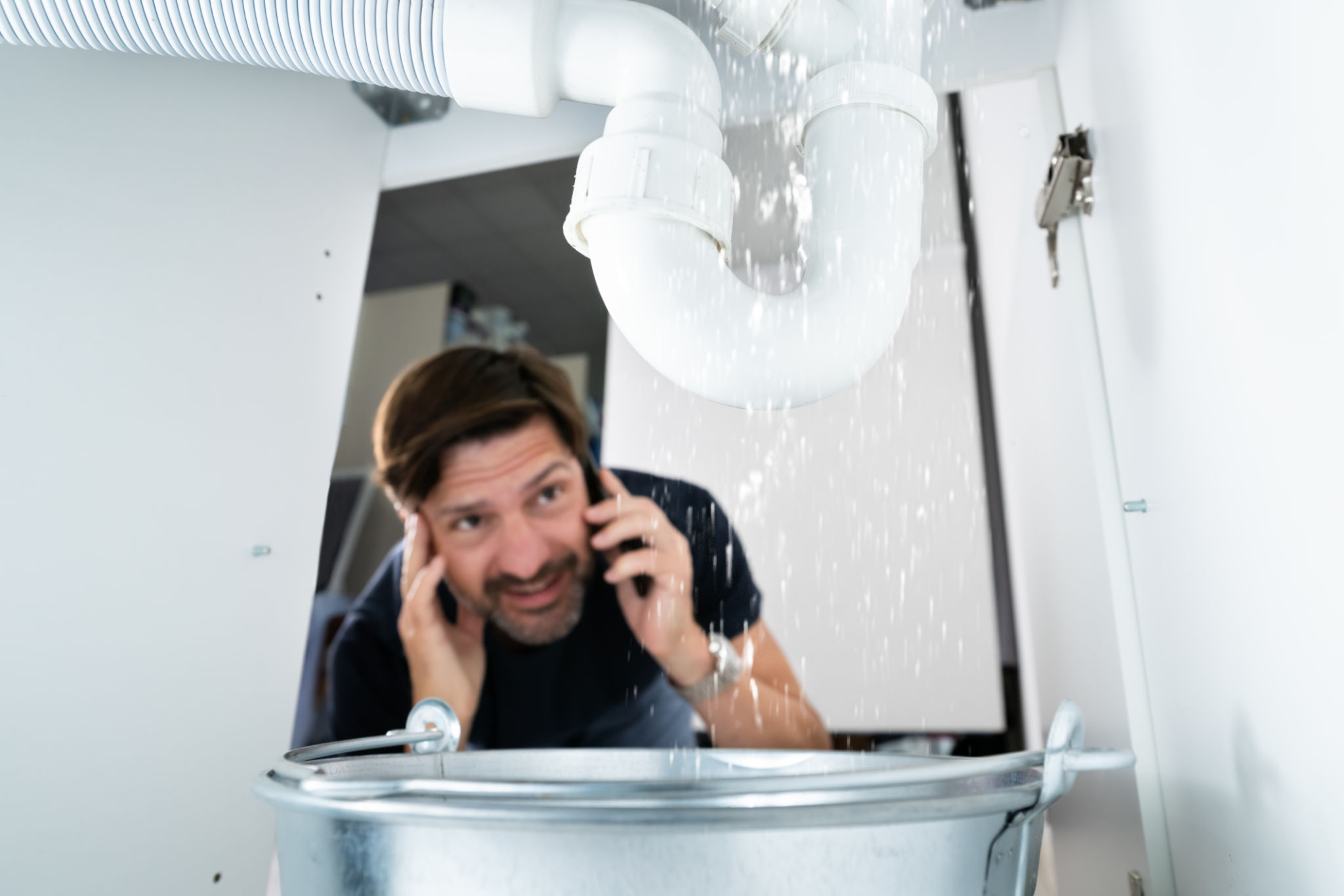
Several factors can lead to plumbing backups, and being aware of these causes can help you take preventive measures. Here are some of the most common culprits:
- Clogged Drains: Over time, hair, soap, grease, and other debris can accumulate in your pipes, leading to slow drainage and eventual blockages.
- Tree Roots: Roots from nearby trees can infiltrate your sewer lines, causing severe blockages and even pipe damage.
- Flushing Inappropriate Items: Items like paper towels, wipes, and feminine hygiene products should never be flushed down the toilet as they can cause serious clogs.
Preventive Measures
Luckily, there are several strategies you can implement to prevent plumbing backups from occurring. By following these tips, you can keep your plumbing system running smoothly:
- Regular Maintenance: Schedule routine inspections with a professional plumber to catch potential issues early.
- Mindful Disposal: Dispose of grease in the trash rather than pouring it down the drain. Use hair catchers in bathroom drains to prevent hair buildup.
- Tree Management: Be mindful of tree planting locations relative to your sewer lines. Consider consulting an arborist if you suspect root intrusion.

Signs of Imminent Backups
Recognizing the early warning signs of plumbing backups can help you address them before they escalate into larger problems. Watch out for:
- Slow Drains: If your sinks, tubs, or showers are draining slowly, it might indicate an impending blockage.
- Unpleasant Odors: Persistent foul smells emanating from your drains can signal a backup.
- Gurgling Sounds: Strange noises coming from your pipes or toilets when using water fixtures could be a red flag.
When to Call a Professional
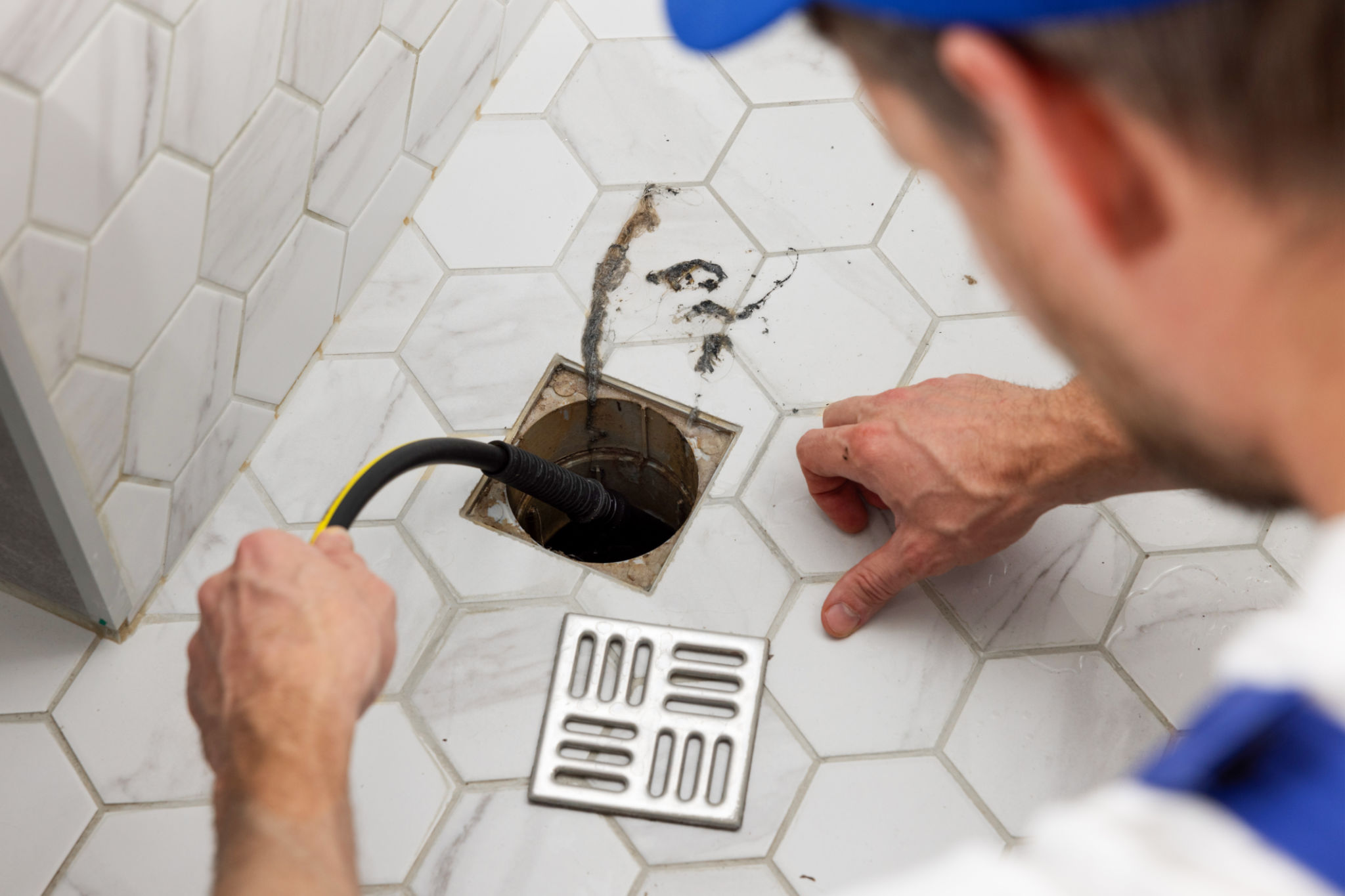
While DIY solutions can sometimes resolve minor clogs, there are situations where professional intervention is necessary. If you experience repeated backups or suspect a more significant issue like tree root intrusion, it's best to call a licensed plumber to assess and resolve the problem.
By remaining vigilant and proactive, you can minimize the risk of plumbing backups. Regular maintenance, mindful disposal habits, and prompt attention to warning signs are key strategies in keeping your plumbing system healthy and efficient. Remember, a little prevention goes a long way in safeguarding your home from unwanted plumbing issues.